Introduction
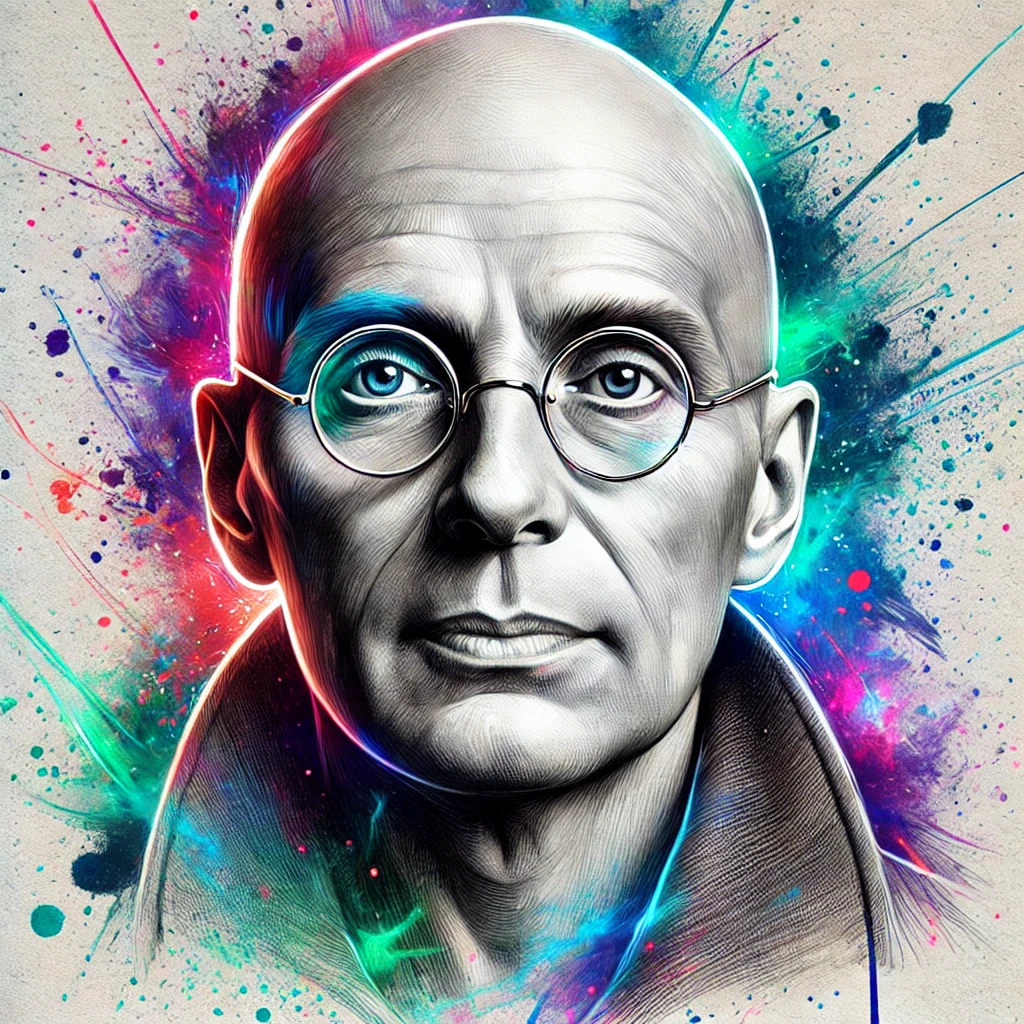
Emile Durkheim (1858–1917) was a pioneering French sociologist who confronted the massive social changes of the industrial age. He regarded modernity as a “great transformation” of society, a shift from feudalism and tradition to industrialism and secular modern life. Unlike conservative critics who lamented the rise of the modern world, Durkheim was a defender of modernity. He embraced the positive ideals of democracy, scientific progress, and secularism, and he believed that industrialization could, if properly guided, improve individual freedom and social welfare.
Durkheim believed in using empirical sociological methods to study society. He treated society like a living organism undergoing evolution. By collecting data and carefully analyzing social facts, Durkheim aimed to show that modern changes did not automatically lead to chaos. For example, his famous studies of social statistics, such as patterns of suicide, provided evidence on how social integration and regulation affected personal well-being. Through his research, Durkheim sought to demonstrate that industrialization and individualism could be integrated into a healthy social system.
This article will examine Durkheim’s analysis of modernity. We will see how he described the structural shift in society from uniform to specialized, how he understood the role of the individual and moral values, the social pathologies that can arise during rapid change, and finally how he believed institutions like the state and associations could guide society through the transition. Durkheim’s overall message was optimistic: though modernity brings challenges, he thought it could lead to a more just and cohesive society if carefully managed.
The Structural Transformation: From Segmentary to Organized Society
A central idea in Durkheim’s analysis of modernity is the transformation of social structure. He described pre-modern or “segmentary” societies as amorphous and undifferentiated. In these societies, social groups are essentially alike and interchangeable. One village or family might be almost a duplicate of another, with people bound by kinship, tradition, and simple economics. There is little specialization: for instance, most people might be subsistence farmers or laborers who share similar skills.
In a segmentary society, mechanical solidarity prevails. Social cohesion comes from collective similarity. Durkheim explained that people in such communities “have the same way of thinking, feeling and acting.” A strong collective consciousness—shared values and beliefs—unites everyone. Religion and custom are overwhelmingly powerful. Because people are so similar, even a minor difference can seem like a threat to social unity. Social order is enforced by tradition and often by punishment, to maintain conformity. For example, in a small tribal community, an individual is largely defined by group membership and deviating from group norms can lead to swift sanction or excommunication.

By contrast, modern industrial society is highly organized and specialized. Durkheim called this form of society one with organic solidarity. Here the unity of society arises from the division of labor. Instead of everyone doing the same work, individuals perform very different tasks. In an advanced economy, for example, one person might be a farmer, another a machinist, another a teacher or engineer. Each person requires specific training and knowledge to fulfill their role. Because of this specialization, people become interdependent: each person’s labor contributes to others’ well-being, so society is tied together by cooperation rather than simple resemblance.
The nature of cohesion in organic solidarity is fundamentally different from mechanical solidarity:
- Mechanical Solidarity: In pre-modern, segmentary societies, social order is maintained by resemblance and tradition. Members of society live very similar lives and share a pervasive collective consciousness rooted in religion and custom. Conformity is strong because people are bound together by a common identity. Deviance is rare and punished harshly, because everyone’s thinking and behavior are based on the same inherited values.
- Organic Solidarity: In modern societies, social order arises from mutual needs and cooperation. Individuals work in specialized occupations, and each person’s role contributes to the welfare of others. Rather than similarity, people are connected by differences: the diversity of skills and jobs means that everyone depends on others’ specialized contributions. The laws and norms under organic solidarity tend to be more flexible and restitutive (aiming to restore harmony) rather than purely punitive, because social harmony stems from voluntary interdependence rather than enforced uniformity.
Durkheim stressed that organic solidarity is a higher form of social cohesion, not a weaker one. Although individuals in modern society may have varied beliefs and lifestyles, they are glued together by the complex web of mutual dependence. The example of a city illustrates this: millions of strangers may live side by side in an urban environment without feeling intimately similar, yet they form a society by relying on each other’s roles. The baker, the teacher, the nurse, and the software developer all perform different tasks, but each person needs what others provide. Modern society’s stability comes from this network of cooperation.
However, Durkheim also noted tensions in this transition. In a segmentary society, individuals had limited personal freedom, but they also had clearly defined places and a sense of belonging. In an organic society, individuals gain autonomy but may experience insecurity. Specialization can lead to isolation if people lose touch with a common social framework. Durkheim warned that without new forms of solidarity, specialized individuals could drift apart. He believed that the transformation to organic solidarity required the development of new institutions and moral ties to keep society cohesive.
The Individual and “Moral Individualism”
Durkheim argued that one of the greatest effects of modernity is the liberation of the individual. As traditional constraints weaken, people have more room for personal choice, variety, and innovation. The old, uniform collective conscience no longer dictates every aspect of life. Cultural differences appear, education broadens minds, and individuals pursue diverse careers and lifestyles. In this sense, modernity is empowering: individuals can escape the narrow destinies of the past and follow their talents and interests. The weakening of old customs and religious authority means that people must now shape their own identities more than ever.
He worried about what happens when individuals are cut loose from community, but he also recognized the positive potential of autonomy. Importantly, Durkheim saw that modernity produces a new kind of moral culture focused on the individual himself. He called this phenomenon the “cult of the individual” or moral individualism. In Durkheim’s metaphor, modern society functions like a secular religion that worships the dignity of each person. Instead of temples and rituals, society has new symbols of individual worth: for example, democratic elections celebrate each citizen, and modern educational and political ideals stress equality. The central belief is that the individual has inherent value.
In practical terms, moral individualism means that respect for persons becomes the ultimate social value. Each individual is seen as the end rather than merely a means. For example, modern legal systems embody this by granting rights to individuals regardless of class or creed. Public life and civic rituals revolve around the idea of citizens’ dignity. Education teaches that each student is valuable. By giving every person a kind of sacred status, society establishes a common ethical bond. The moral center of society is no longer a deity or tribe but the collective respect for individual rights and freedoms.
Durkheim highlighted that this respect for individual autonomy can actually strengthen social cohesion. He asserted that individual freedom and social solidarity are mutually reinforcing in modern societies. When people feel that their individuality is respected and protected, they are more likely to feel loyalty and responsibility toward their community. For instance, a worker who believes her rights and opinions matter will engage more positively at work and in society. Conversely, a citizen who feels society honors her contributions will be more inclined to participate and give back. Thus, a society that values each person creates a stronger social glue: people see themselves in others.
Thus, for Durkheim, individualism in itself is not a crisis but a potential source of new solidarity. The collective consciousness of modern society is not a uniform set of superstitions, but a shared belief in human dignity and democratic values. In this way, moral individualism serves as the glue of the modern world. It is the idea that unifies people: the moral obligation to value others as individuals becomes the fundamental social link. Rather than being bound by sameness of belief, modern societies are bonded by the principle of reciprocity — the notion that one should treat others as one would be treated.
This does not mean Durkheim thought modernization would automatically bring perfect harmony. Rather, he argued that only a healthy version of individualism—one that includes ethical self-restraint and concern for others—leads to genuine solidarity. When individuals recognize that pursuing their own goals is also a social endeavor, the competitiveness of free society can be channeled into cooperative effort. Durkheim saw moral individualism as the basis for institutions like democracy and civil rights: as people internalize respect for each person, they create laws and norms that reflect equality and justice.
Pathologies and Crisis in Modernity
Even as Durkheim embraced modernity’s possibilities, he recognized that the shift was not happening smoothly. He observed that European society in his time was in a state of malaise or crisis. The old pre-industrial order had broken down (a fact Durkheim welcomed), but the new order had not yet fully taken shape (a problem Durkheim lamented). This created a period of social stress and confusion. Many people felt unmoored as traditions faded but new norms were unclear. Durkheim analyzed this situation as if diagnosing a patient: society itself was sick, but in a way that he believed was only temporary.
He identified three primary social pathologies in the emerging modern world:
- Egoism: A condition of too little social integration. When individuals are not adequately connected to family, community, or social groups, they may become isolated and apathetic. Durkheim linked egoism to feelings of rootlessness: a person without strong social ties might feel that society is indifferent to them. He even showed that egoism can lead to a type of suicide (called egoistic suicide) where people, feeling alone and purposeless, give up on life. For example, Durkheim found higher suicide rates among unmarried, childless people or those with few social connections – illustrating the dangers of extreme isolation.
- Anomie: A condition of too little moral regulation. In periods of rapid change or economic upheaval, norms and rules may break down or become unclear. Durkheim described anomie as a “malady of unlimited aspirations” because, without guidance, people do not know how to limit their desires or judge their success. For instance, if a society rapidly creates enormous wealth for some, those individuals may lack the social direction to handle their fortune, leading to frustration or reckless pursuit. Similarly, a person whose social role suddenly vanishes (such as a laid-off factory worker) may feel morally unmoored. Durkheim linked anomie to higher rates of anomic suicide, where despair follows the breakdown of familiar social regulations.
- Injustice (Forced Division of Labor): Durkheim noticed that modern societies often do not allocate work according to merit or capacity. This is what he called the forced or unjust division of labor. In practice, factors like an individual’s family background, social class, or inherited wealth might determine their occupation more than their talents. Such injustice violates the principle of modern equality. Durkheim argued that if people see that society’s structure is unfair — for example, that a talented person is stuck in a menial job because of birth, while someone less capable thrives due to privilege — then solidarity breaks down. This sense of injustice can fuel social discontent and a feeling that the system lacks moral legitimacy.
Durkheim viewed these pathologies as temporary growing pains of modernization, not signs of inevitable doom. They occurred because the old collective norms had dissolved faster than new norms had developed. As he put it, the traditional collective conscience was weak (causing egoism) while the new collective conscience based on individualism and justice was not yet fully realized (causing anomie and injustice). In the long term, Durkheim believed these maladies could be cured if society adapted its institutions and moral codes to the new conditions.
Remedies for Pathologies: The Role of the State and Corporate Organizations
Durkheim believed that addressing the pathologies of modernity required reform and institution-building, not revolution. He envisioned the modern state and new intermediary organizations as the main agents of this renewal. In his analogy, society is like an organism and the state is the “brain of society.” As the brain coordinates an organism, so the state should coordinate social life and express collective values. Durkheim argued that the state, ideally democratic and secular, should actively promote social welfare and justice.
He saw the state’s role as ensuring that modern ideals are realized. For example, the state should:
- Develop a universal public education system that goes beyond vocational training. Schools should also teach civic values, critical thinking, and moral reasoning so that citizens internalize the principles of moral individualism and social responsibility.
- Enact fair legal and economic policies that align with equality of opportunity. This means labor laws, social welfare programs, and public services that protect individuals from exploitation and reduce anomie. A modern state has a duty to regulate the economy so that market competition does not undermine social cohesion (for instance, by preventing abusive practices or by providing support for the unemployed).
- Protect citizens’ rights and mediate conflicts. By guaranteeing equal civil rights (regardless of class, religion, or status) and by arbitrating labor disputes or economic crises, the state helps prevent class warfare and addresses grievances. In this way, the state works to cure the pathology of injustice by ensuring that social positions are not purely determined by birth or arbitrary privilege.
By fulfilling these functions, Durkheim believed the state could become the liberator of the individual. In other words, it would free citizens from old feudal or religious constraints by securing universal rights, while simultaneously binding them together by representing the collective interest. For Durkheim, a rational, secular state embodies the collective conscience of a modern society — except its conscience is drawn from reasoned public will rather than divine revelation.
However, Durkheim also recognized that the distant national state might not address everyday moral life. He therefore championed the creation of intermediate associations, often called occupational associations or professional corporations. These would be universal groups that include everyone in a given profession or trade. Durkheim thought of them as something like modern guilds or professional bodies that bring together employers and workers. The purpose of these corporate organizations would be to rebuild social bonds at the level of daily work and community. Specifically, he proposed that these associations would:
- Reinvigorate group life: These associations give individuals a sense of belonging to a community based on shared work. They organize meetings, rituals, and support networks for members. By bringing people together in a common purpose (beyond just their nuclear family), these groups combat egoism. When workers and employers work and socialize together within a profession, they develop mutual respect and understanding.
- Regulate economic activity: Each corporate body would set guidelines and standards for its field. For example, it might define training requirements, establish minimum wages, regulate prices, or coordinate production. By doing so, these groups would temper the harshness of unregulated markets and prevent exploitation. This regulatory role provides clear rules and expectations for economic behavior, addressing the problem of anomie. A worker would have a structured career path and know the social rules of her trade, reducing uncertainty.
- Provide a moral framework: Each profession would uphold its own code of ethics connected to the public good. For instance, a medical association would emphasize the doctor’s duty to patients; a teachers’ association would stress service to students. These ethical norms tie the profession’s work to society’s values, reinforcing moral individualism. By consciously linking specialized tasks to higher social ends, corporate groups embed moral meaning in everyday labor.
Durkheim believed that the combination of state action and corporate associations would gradually rebuild social solidarity. The state would articulate and enforce general principles and rights, while the associations would enact those principles at the grassroots level of daily life. This multi-layered system was meant to show individuals that they are valued both as independent citizens (under state law) and as members of a productive community (in their associations). In effect, society would come to restabilize itself through democratic participation and cooperative structures.
Many of Durkheim’s proposals were reflected in later social policies. While he was not a socialist, some European countries experimented with corporatist structures (influenced indirectly by thinkers like him) where employers, labor unions, and the state cooperate in planning. The guiding principle he taught was that institutions could be designed so that individual liberty and social justice advance together, rather than collide.
The Future of Modern Society
Emile Durkheim remained an evolutionary optimist about modern society. He did not believe that industrialization and urbanization spell the end of social cohesion. On the contrary, he argued that although modernity challenges the old moral order, it offers the tools to build a new, stronger one. Durkheim thought of society as an ever-adapting system. The troubles he diagnosed (egoism, anomie, injustice) were not permanent features but transitional ailments that could be healed.
In the long term, Durkheim expected that modern society would fulfill what he called its mission for justice. He believed that as people embraced democracy, human rights, and education, these values would eventually permeate institutions. For example, he envisioned education becoming widely accessible so that talents, not birth, determined one’s career. He imagined workplaces where labor was respected and regulated by a sense of social duty. Political life, he hoped, would become more participatory and pluralistic, reflecting the collective will and concern for all. Over time, the injustices of earlier periods would be corrected and individuals would feel truly integrated into the moral fabric of society.
Durkheim trusted that modern intellectual and political progress—like scientific understanding of social problems, expansion of schooling, and the spread of representative government—would gradually align society with its ethical principles. He thought the values of equality and mutual respect would slowly transform social structures. This would correct injustices and integrate individuals better, closing the gaps that cause anomie and egoism. In short, Durkheim believed modern society would evolve toward the very ideals it proclaimed.
Durkheim did not claim to know exactly how or when all this would happen, but he was convinced it was possible through reason and collective will. He saw modern crises as signals that society was still reorganizing, not as signs of inevitable collapse. Unlike thinkers who foresaw only conflict or decay, Durkheim maintained that given the right reforms and moral focus, modernity could lead to a harmonious, humane society.
Conclusion
In summary, Durkheim offered a nuanced but ultimately positive view of modernity. He acknowledged the problems of the transition, but he believed these could be resolved by thoughtfully reforming institutions. The essence of his argument is that the division of labor and individual freedoms of the modern world could become the foundation of a new solidarity, rather than their undoing. If society aligns its laws, values, and organizations with the ideals of human dignity and justice, it can turn the transformation of modernity into a creative, uplifting process.
Durkheim’s legacy in sociology lies in this balanced perspective. He showed that modern society can be studied empirically and understood not only in terms of conflict, but also in terms of how it maintains itself. His ideas on moral individualism, social solidarity, and institutional design have continued to influence thinkers interested in how to build just societies. In the end, Durkheim’s faith was in human reason and cooperation: he believed that the great transformation of modernity, once its challenges are overcome, would ultimately yield a stable and humane social order in which solidarity and individual dignity are harmonized.